Every flap tells a story
We study your history
Operator liveries, route heritage, fleet evolution, timetable archives — we dig into what made your brand iconic.
Every flap is hand-crafted
No stock graphics. No AI-generated art. Each split-flap panel is original artwork, drawn from historical reference and built to pixel-level accuracy.
One screen. That's all you need.
Standalone or API-connected, runs on any display hardware you already have. We handle design, development, integration, and commissioning.
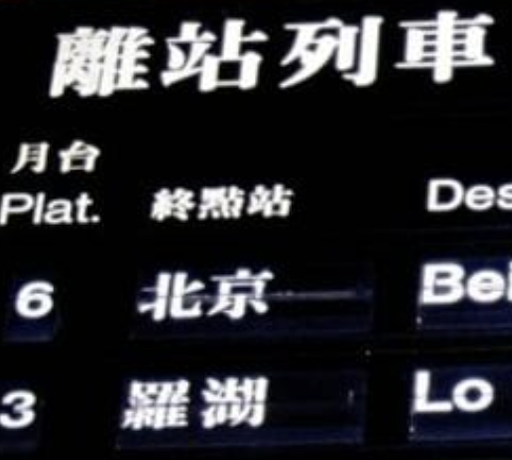
Wide range of displays include Prismatic Variable Message Sign (PVMS) recreation —
matching exact typefaces, colours, and sign specifications, with our knowledge in the domain.
A global revival
In July 2026, Japan's Keikyu Railway brought back the iconic パタパタ (patapata) split-flap display at Kamiōoka Station — digitally. The response was overwhelming: 28,000 likes, national media coverage, and an outpouring of nostalgia from commuters who grew up with the sound of flipping flaps.
They're not alone. From European train stations to airport lounges, operators worldwide are rediscovering that heritage displays aren't just decoration — they're powerful brand moments. Commuters photograph them, share them, talk about them. Free, organic, emotional engagement that no LED billboard can replicate.
Every brand has a story worth telling.
Displays connect to your live operational data via API — real-time departures, served through a heritage board. Complete with the authentic sound of flipping flaps.
20 years of transport illustration.
10 years of systems delivery.
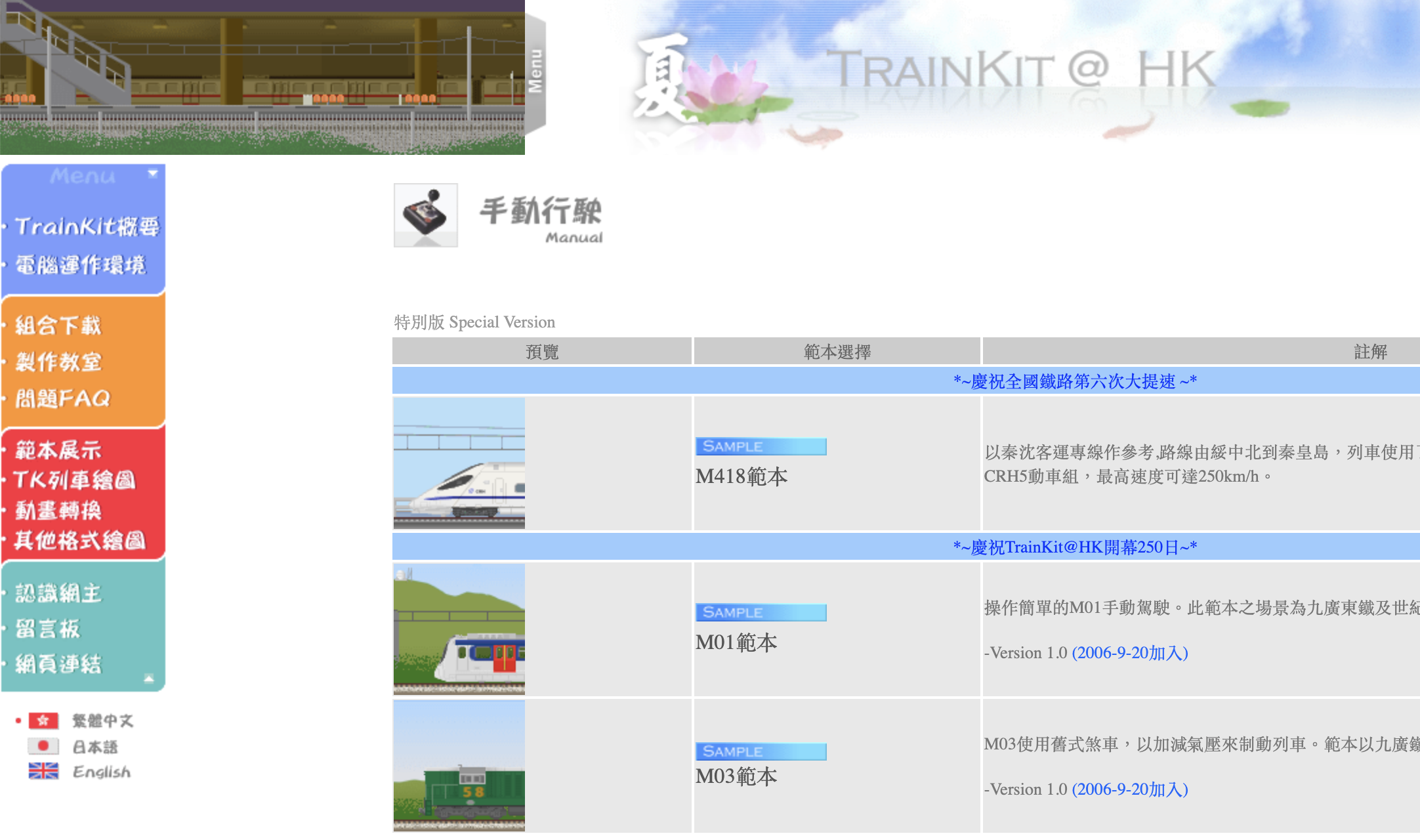
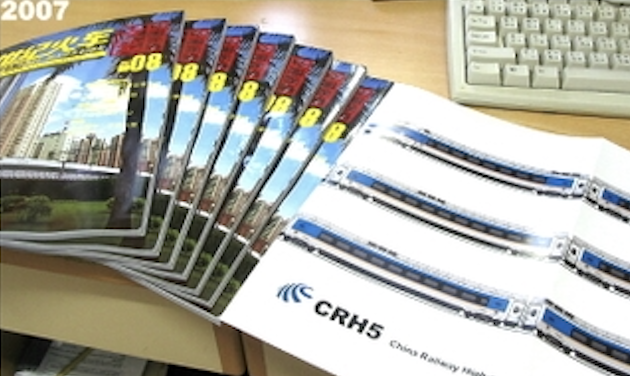
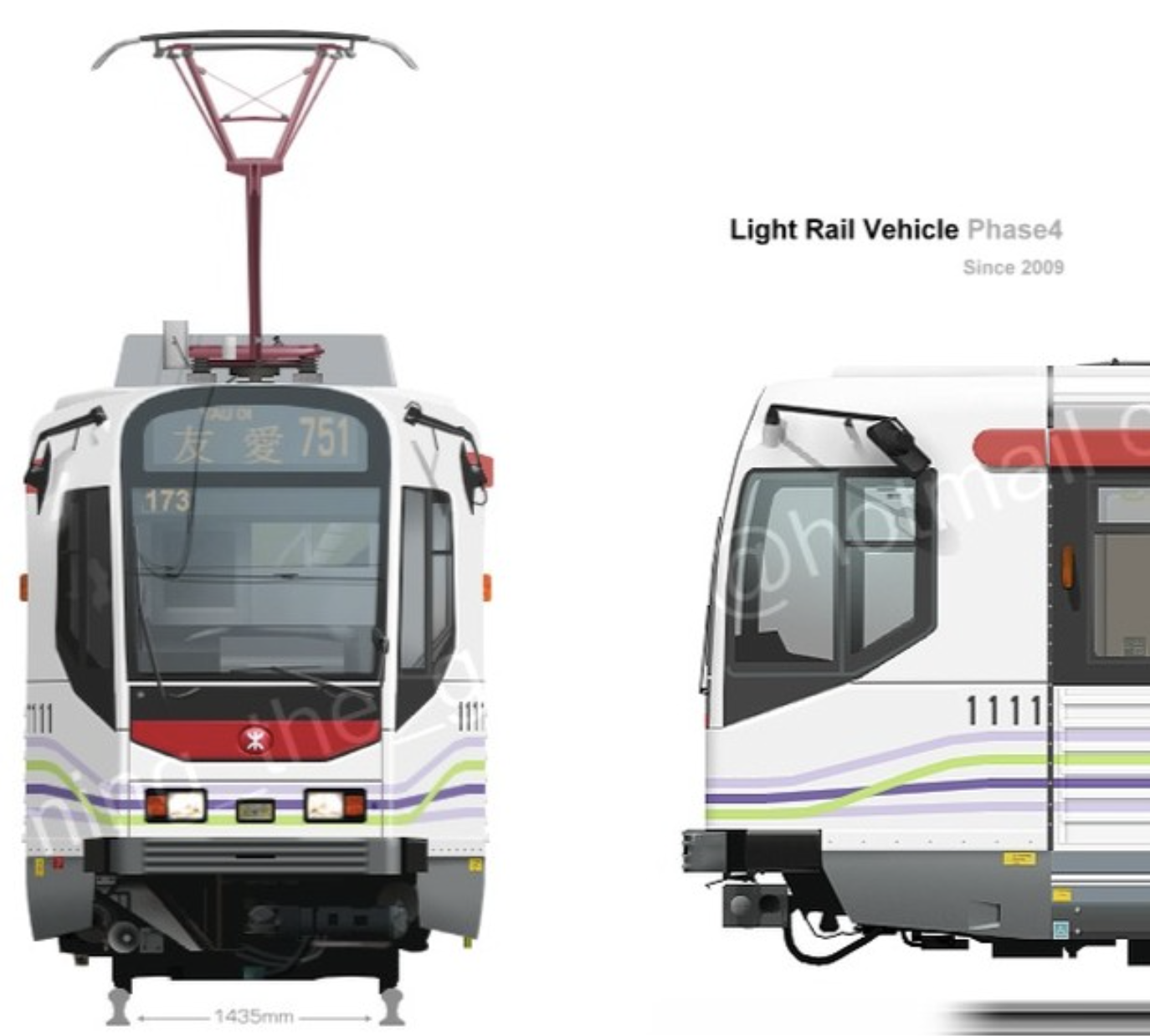
Heritages shouldn't just be remembered — they should be seen. Flapcraft builds digital heritage displays that bring familiar sights back to life for the people who grew up with them.
Founded by a project manager and a transport illustrator with ten years of delivering mission-critical land transport digital systems across Hong Kong and Singapore, and two decades of drawing trains.
Every project combines historical research, hand-crafted artwork, and proven delivery experience — from first sketch to commissioning.
How it works
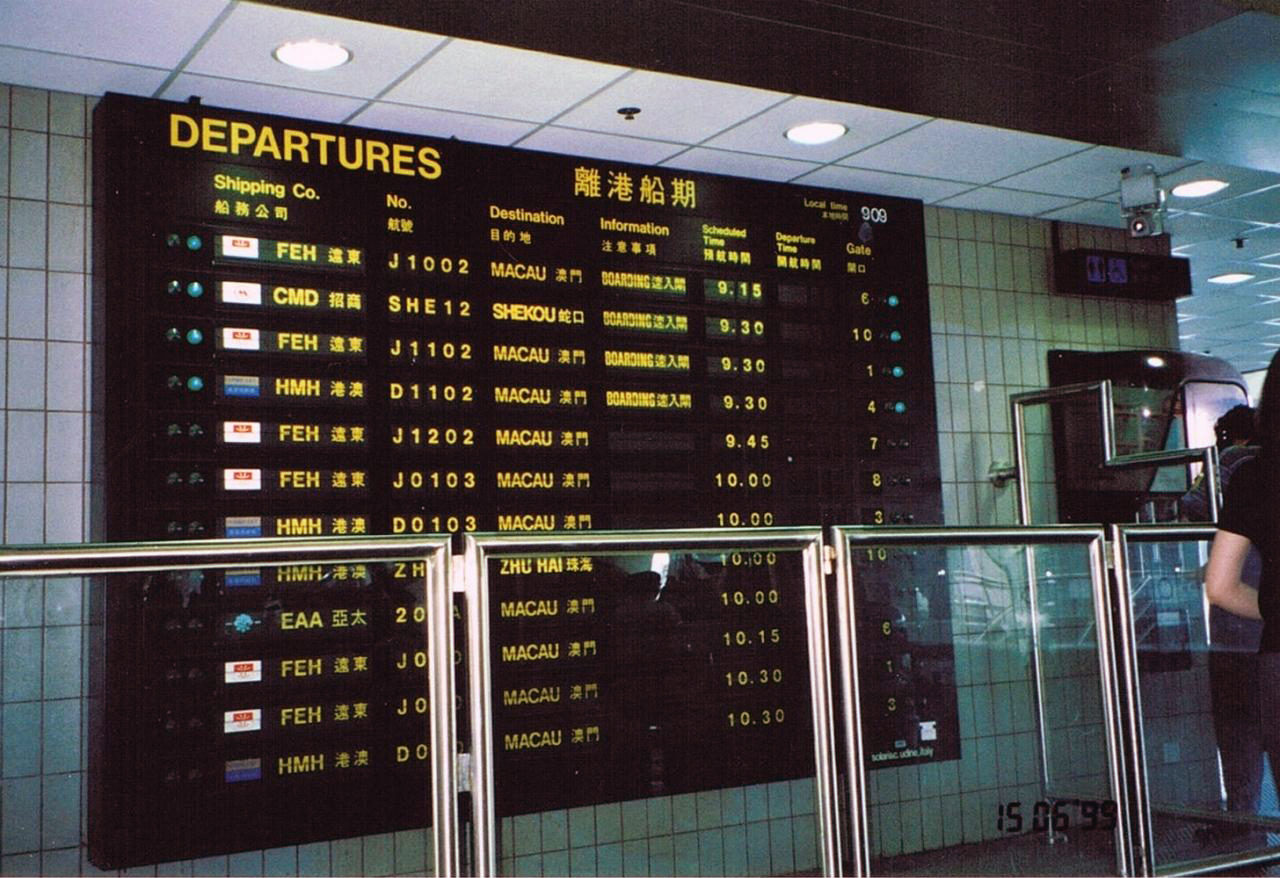
Discovery
We research your brand heritage — routes, liveries, fleet history, timetable archives.
Design & Build
Designer-drawn artwork for every flap. Custom display development. API integration with your live data.
Deploy
Installation, testing, and commissioning. Hardware is simple — a screen and a computer.